

Beeswax Bread Bags vs Linen: Which Keeps Sourdough Fresher?
There’s nothing better than slicing into a fresh loaf of sourdough…
until the next day, when it suddenly turns dry or rubbery.
If you’ve been struggling to keep your homemade or bakery bread soft on the inside and crisp on the outside, the bag you store it in makes all the difference.
Two of the most popular plastic-free options are linen bread bags and beeswax bread bags — but which one actually keeps bread fresher?
Let’s dive in.
Why Bread Dries Out (or Gets Soggy)
Bread needs a balance of air + moisture to stay fresh:
-
Too much air, and it dries out
-
Too much moisture, and it becomes soft, sticky, or moldy
This is why storing sourdough in the wrong bag leads to:
✔ dry crumb
✔ rock-hard crust
✔ mold growth
✔ stale bread after just 1–2 days
Beeswax and linen handle moisture very differently — and the results speak for themselves.
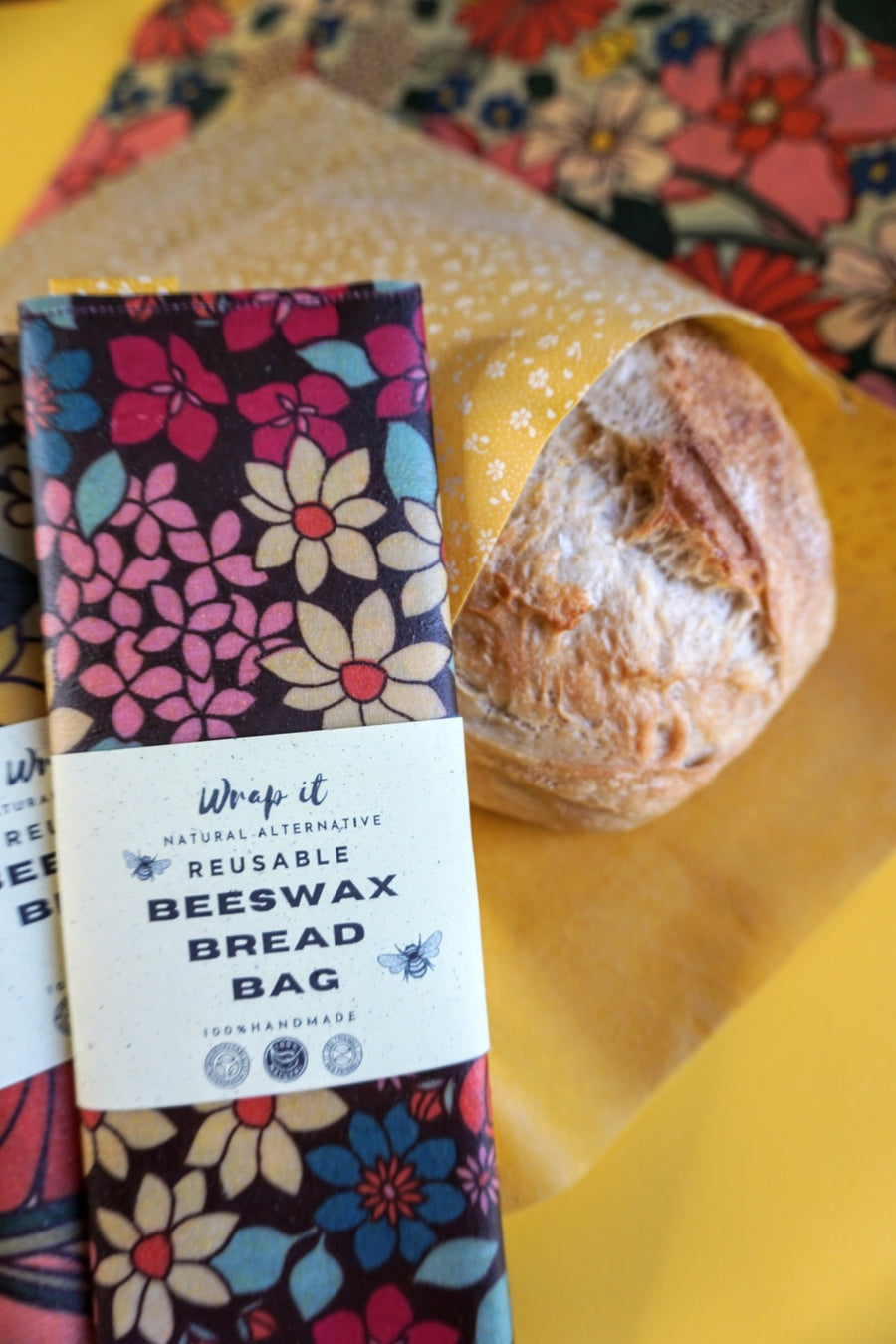
Beeswax Bread Bags: How Do They Work?
Beeswax-coated cotton is breathable, naturally anti-bacterial, and slightly moisture-locking.
Freshness Benefits:
-
Creates a natural seal around bread
-
Prevents bread from drying out
-
Still allows airflow so crust stays crisp
-
Beeswax + pine resin have natural antimicrobial properties
-
Reusable for 1–2 years (or more) with proper care
Ideal For:
-
Fresh artisan sourdough
-
Crusty bakery loaves
-
Homemade bread that needs 2–4 days of storage
-
Zero-waste kitchens
It’s the closest thing to bread living in its original bakery environment.
Linen Bread Bags: What They Do Well
Linen is popular because it’s natural, reusable, and breathable.
But it breathes too much.
Linen Bag Results
-
Great ventilation
-
Prevents mold growth
-
BUT it allows moisture to escape too quickly
-
Bread often goes stale and dry within a day
Best Used For:
-
Same-day bakery runs
-
Serving bread at the table
-
Temporary storage before freezing
Linen keeps crust crisp — but at the cost of the interior drying out. Beeswax bags slow staling by protecting moisture naturally — no plastic, no cling wrap.

Leave a comment